MIT Creates 'Liquid' Neural Networks That Reshape
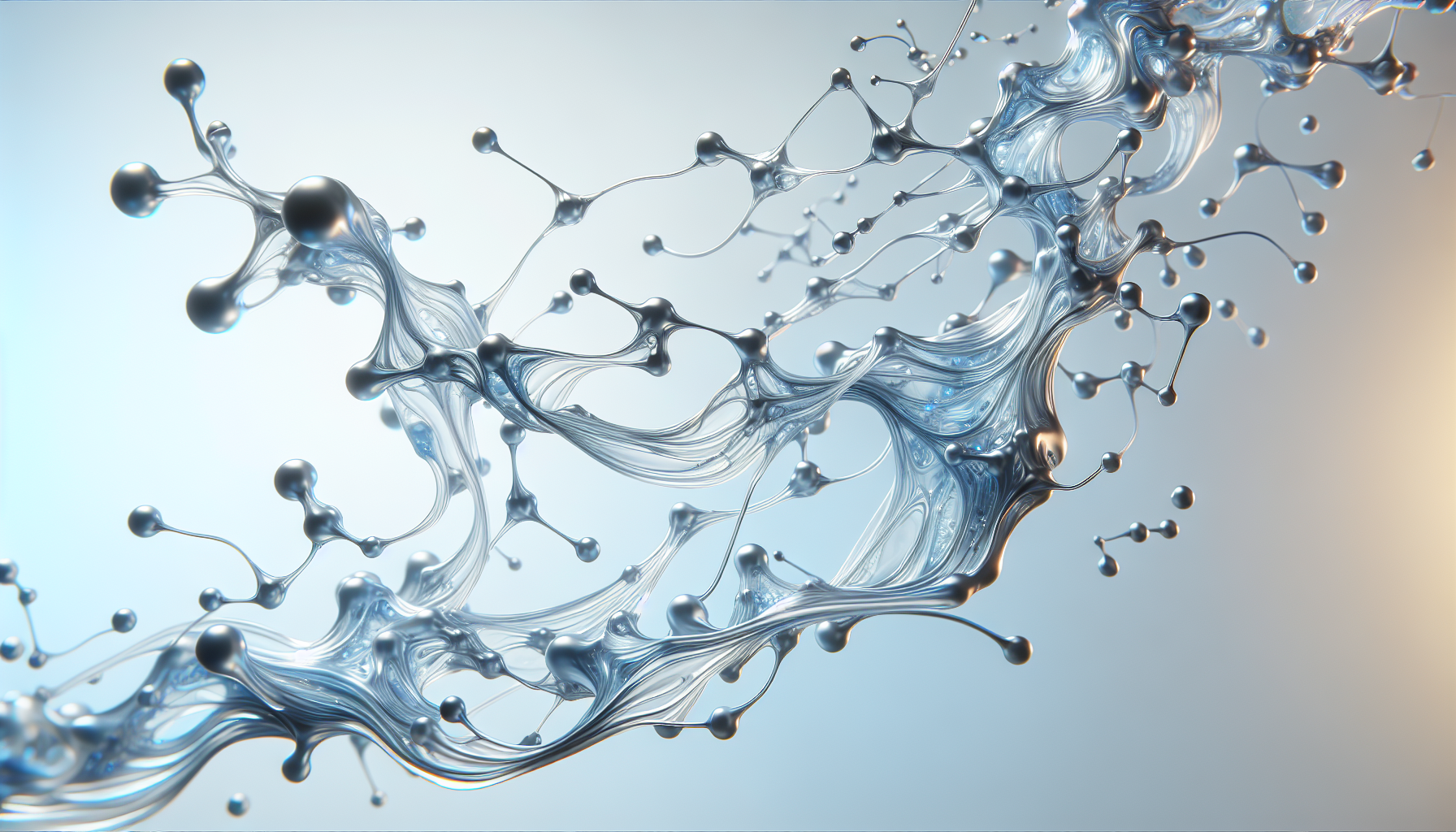
Scientists at MIT have created neural networks that continuously reshape their internal connections while processing information, mimicking how biological brains adapt to new situations in real-time.
These "liquid" neural networks represent a fundamental departure from traditional AI systems, which maintain fixed architectures once training is complete. The new approach allows artificial neural networks to modify their structure dynamically as they encounter fresh data or changing conditions.
The breakthrough addresses a critical limitation in current AI technology. Most neural networks excel at specific tasks they were trained for but struggle when confronted with unexpected scenarios or evolving environments. The liquid networks maintain flexibility by adjusting their computational pathways based on incoming information patterns.
The research team drew inspiration from the neural circuits found in microscopic worms, which demonstrate remarkable adaptability despite having relatively simple nervous systems. These biological networks can reconfigure themselves to handle different behavioral demands, a capability the researchers sought to replicate in artificial systems.
Unlike conventional neural networks that process information through predetermined routes, liquid networks evaluate each input's characteristics and route it through the most appropriate computational pathways. This adaptive routing emerges from mathematical models that govern how individual artificial neurons connect and communicate with each other.
The technology shows particular promise for autonomous vehicles, robotics, and real-time decision-making systems. Traditional AI struggles when road conditions change unexpectedly or when robots encounter unfamiliar objects. Liquid networks could potentially adapt their processing strategies on the fly, improving performance in unpredictable situations.
Initial testing demonstrates that these networks maintain stable performance across varying conditions while using fewer computational resources than traditional approaches. The systems appear to develop more efficient representations of complex patterns by continuously optimizing their internal organization.
The research methodology involved creating mathematical frameworks that allow network connections to strengthen or weaken based on the relevance of different computational paths. This process occurs continuously during operation, rather than only during initial training phases.
Beyond immediate applications, the work contributes to ongoing efforts in neuromorphic computing, which seeks to design computer systems that operate more like biological brains. This field aims to create more energy-efficient and adaptable artificial intelligence systems.
However, significant challenges remain before widespread deployment becomes feasible. The computational overhead required for continuous network restructuring could limit practical applications, particularly in resource-constrained environments. Additionally, ensuring reliable performance while networks undergo structural changes presents engineering complexities.
The research also raises questions about interpretability and debugging. Understanding how liquid networks make decisions becomes more challenging when their structure changes dynamically. This could complicate efforts to verify system behavior in safety-critical applications.
Current experiments focus on relatively simple tasks compared to the complex challenges faced by modern AI systems. Scaling these adaptive capabilities to handle sophisticated problems like natural language processing or computer vision requires further investigation.
The work builds upon decades of research into adaptive neural systems and represents collaboration between multiple institutions working on flexible AI architectures. The findings contribute to broader scientific understanding of how learning and adaptation can be embedded into artificial systems.
Future research directions include exploring how liquid networks might collaborate with traditional AI systems and investigating whether similar adaptive principles could improve other machine learning approaches. The ultimate goal involves creating AI systems that learn and adapt throughout their operational lifetime, rather than remaining static after initial training.